As a historian who’s always searching for the text or the image that makes us re-evaluate the past, I’ve become preoccupied with looking for photographs that show our Victorian ancestors smiling (what better way to shatter the image of 19th-century prudery?). I’ve found quite a few, and—since I started posting them on Twitter—they have been causing quite a stir. People have been surprised to see evidence that Victorians had fun and could, and did, laugh. They are noting that the Victorians suddenly seem to become more human as the hundred-or-so years that separate us fade away through our common experience of laughter.
Of course, I need to concede that my collection of “Smiling Victorians” makes up only a tiny percentage of the vast catalogue of photographic portraiture created between 1840 and 1900, the majority of which show sitters posing miserably and stiffly in front of painted backdrops, or staring absently into the middle distance. How do we explain this trend?
During the 1840s and 1850s, in the early days of photography, exposure times were notoriously long: the daguerreotype photographic method (producing an image on a silvered copper plate) could take several minutes to complete, resulting in blurred images as sitters shifted position or adjusted their limbs. The thought of holding a fixed grin as the camera performed its magical duties was too much to contemplate, and so a non-committal blank stare became the norm.
But exposure times were much quicker by the 1880s, and the introduction of the Box Brownie and other portable cameras meant that, though slow by today’s digital standards, the exposure was almost instantaneous. Spontaneous smiles were relatively easy to capture by the 1890s, so we must look elsewhere for an explanation of why Victorians still hesitated to smile.
One explanation might be the loss of dignity displayed through a cheesy grin. “Nature gave us lips to conceal our teeth,” ran one popular Victorian saying, alluding to the fact that before the birth of proper dentistry, mouths were often in a shocking state of hygiene. A flashing set of healthy and clean, regular “pearly whites” was a rare sight in Victorian society, the preserve of the super-rich (and even then, dental hygiene was not guaranteed).
A toothy grin (especially when there were gaps or blackened teeth) lacked class: drunks, tramps, and music hall performers might gurn and grin with a smile as wide as Lewis Carroll’s gum-exposing Cheshire Cat, but it was not a becoming look for properly bred persons. Even Mark Twain, a man who enjoyed a hearty laugh, said that when it came to photographic portraits there could be “nothing more damning than a silly, foolish smile fixed forever”.
1. According to Paragraph 1, the author’s posts on Twitter ________.
2. What does the author say about the Victorian portraits he has collected?
3. What might have kept the Victorians from smiling for pictures in the 1890s?
4. Mark Twain is quoted to show that the disapproval of smiles in pictures was ________.
5. Which of the following questions does the text answer?
问题1选项
A.illustrated the development of Victorian photography
B.highlighted social media’s role in Victorian studies
C.re-evaluated the Victorian’s notion of public image
D.changed people’s impression of the Victorians
问题2选项
A.They are rare among photographs of that age.
B.They show effects of different exposure times.
C.They mirror 19th-century social conventions.
D.They are in popular use among historians.
问题3选项
A.Their inherent social sensitiveness.
B.Their tension before the camera.
C.Their distrust of new inventions.
D.Their unhealthy dental condition.
问题4选项
A.a deep-root belief
B.a misguided attitude
C.a controversial view
D.a thought-provoking idea
问题5选项
A.Why did most Victorians look stern in photographs?
B.When did the Victorians start to view photography differently?
C.What made photography develop slowly in the Victorian period?
D.How did smiling in photographs become a post-Victorian norm?
第1题:D
第2题:A
第3题:D
第4题:A
第5题:A
第1题:
【整体分析】
来源:HistoryExtra网站于2020年3月30日刊登的文章Smiling Victorians: why it’s a myth that our ancestors didn’t smile for pictures(微笑的维多利亚时代的人:为什么我们的祖先拍照时不微笑是个谬见)。
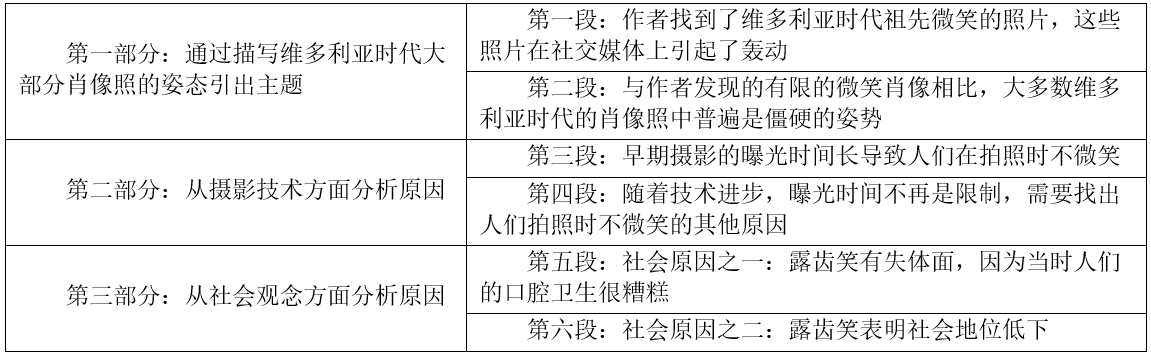
主题:文章主要探讨了维多利亚时代的人在照片中普遍不微笑的原因。作者从自己找到的维多利亚时期微笑的照片入手,介绍了当时大多数的肖像照都不苟言笑的现象,接着从摄影技术和社会观念两方面剖析了其原因。
结构:
【试题解析】
【选项释义】
According to Paragraph 1, the author’s posts on Twitter ________. 根据第一段,作者在推特上的帖子________。
A. illustrated the development of Victorian photography A. 说明了维多利亚时代摄影的发展
B. highlighted social media’s role in Victorian studies B. 强调了社交媒体在维多利亚时期研究中的作用
C. re-evaluated the Victorian’s notion of public image C. 重新评估了维多利亚时期的公共形象概念
D. changed people’s impression of the Victorians D. 改变了人们对维多利亚时代的人的印象
【考查点】推理判断题。
【解题思路】根据题干关键词posts on Twitter可以定位到文章第一段第三、四句“人们惊讶地发现(surprised to see),有证据表明维多利亚时代的人曾经尽情玩乐,他们会笑,也确实在笑(Victorians had fun and could, and did, laugh)。人们注意到,维多利亚时代的人似乎突然变得更有人情味了(become more human),因为通过笑这一共同经历,我们和他们之间一百多年的隔阂得以逐渐消失(the hundred-or-so years that separate us fade away)”,说明人们看到作者发布的微笑照片后,对维多利亚时代的人的印象发生了变化。因此D选项“改变了人们对维多利亚时代的人的印象”正确。
【干扰项排除】
A选项“说明了维多利亚时代摄影的发展”,摄影技术的发展在后文有提及,但是与作者发布的照片无关,属于出处错位;
B选项“强调了社交媒体在维多利亚时期研究中的作用”,由since I started posting them on Twitter—they have been causing quite a stir(自从我开始在推特上发布这些照片以来,它们已经引起了不小的轰动)可知,文中只说到照片在社交媒体上引起了轰动,不代表社交媒体在研究中发挥了作用,属于过度推断;
C选项“重新评估了维多利亚时期的公共形象概念”,由As a historian who’s always searching for the text or the image that makes us re-evaluate the past(作为一名历史学家,我一直在寻找能让我们重新评估过去的文本或图像)可知,作者想重新评估的是过去的历史,而不是公共形象,属于偷换概念。
第2题:
【选项释义】
What does the author say about the Victorian portraits he has collected? 作者对他所收集的维多利亚时期的肖像照是怎么描述的?
A. They are rare among photographs of that age. A. 它们在那个时代的照片中是罕见的。
B. They show effects of different exposure times. B. 它们显示了不同曝光时间的效果。
C. They mirror 19th-century social conventions. C. 它们反映了19世纪的社会习俗。
D. They are in popular use among historians. D. 它们被历史学家广泛使用。
【考查点】事实细节题。
【解题思路】根据题干关键词the Victorian portraits he has collected可以定位到文章第二段第一句“我必须承认,我收集的‘微笑的维多利亚时代的人’在1840年至1900年拍摄的大量肖像照中只占很小的一部分(makes up only a tiny percentage)”,说明作者收集的微笑肖像照在维多利亚时代很罕见。因此A选项“它们在那个时代的照片中是罕见的。”正确。
【干扰项排除】
B选项“它们显示了不同曝光时间的效果。”和D选项“它们被历史学家广泛使用。”在文中没有提及,属于无中生有;
C选项“它们反映了19世纪的社会习俗。”,由the majority of which show sitters posing miserably and stiffly in front of painted backdrops, or staring absently into the middle distance(大多数照片上的人都是在彩绘背景前摆出别扭而僵硬的姿势,或者心不在焉地盯着不远处)可知,当时的社会习俗是拍照时不苟言笑,而不是微笑,属于反向干扰。
第3题:
【选项释义】
What might have kept the Victorians from smiling for pictures in the 1890s? 在19世纪90年代,是什么原因使维多利亚时代的人在拍照时不微笑?
A. Their inherent social sensitiveness. A. 他们固有的社会敏感度。
B. Their tension before the camera. B. 他们在镜头前的紧张感。
C. Their distrust of new inventions. C. 他们对新发明的不信任。
D. Their unhealthy dental condition. D. 他们不健康的牙齿状况。
【考查点】事实细节题。
【解题思路】根据题干关键词1890s可以定位到文章第四段最后一句“到19世纪90年代(by the 1890s),自然而然的微笑相对容易捕捉到,所以我们必须从别的方面寻找维多利亚时代的人们对微笑有所顾虑的原因(look elsewhere for an explanation)”,接着第五段解释了其原因“维多利亚时期的一句流行谚语说:‘大自然给了我们嘴唇来掩盖我们的牙齿(conceal our teeth)。’暗指在真正的牙科诞生之前,口腔通常处于十分糟糕的卫生状态(mouths were often in a shocking state of hygiene)”,说明当时拍照不微笑是因为牙齿卫生状况很糟糕。因此D选项“他们不健康的牙齿状况。”正确。
【干扰项排除】
A选项“他们固有的社会敏感度。”,B选项“他们在镜头前的紧张感。”和C选项“他们对新发明的不信任。”在文中均没有提及,属于无中生有。
第4题:
【选项释义】
Mark Twain is quoted to show that the disapproval of smiles in pictures was ________. 引用马克·吐温的话是为了表明,反对在拍照时微笑是________。
A. a deep-root belief A. 一种根深蒂固的观念
B. a misguided attitude B. 一种被误导的态度
C. a controversial view C. 一个有争议的观点
D. a thought-provoking idea D. 一个发人深省的想法
【考查点】推理判断题。
【解题思路】根据题干关键词Mark Twain可以定位到文章最后一段最后一句“就连喜欢开怀大笑的马克·吐温也说过(Even Mark Twain, a man who enjoyed a hearty laugh),说到拍摄肖像照,‘没有什么比永远定格的愚蠢傻气的微笑更值得谴责的了’”,Even表示让步关系,说明连喜欢大笑的马克·吐温也不喜欢在拍照时微笑,符合当时的社会习俗,从而体现了当时的社会习俗约束力之大,在人们心中根深蒂固。因此A选项“一种根深蒂固的观念”正确。
【干扰项排除】
B选项“一种被误导的态度”,C选项“一个有争议的观点”和D选项“一个发人深省的想法”在文中均没有提及,属于无中生有。
第5题:
【选项释义】
Which of the following questions does the text answer? 这篇文章回答了以下哪个问题?
A. Why did most Victorians look stern in photographs? A. 为什么大多数维多利亚人在照片上看起来都很严肃?
B. When did the Victorians start to view photography differently? B. 维多利亚时代的人何时开始对摄影有不同的看法?
C. What made photography develop slowly in the Victorian period? C. 是什么使摄影在维多利亚时期发展缓慢?
D. How did smiling in photographs become a post-Victorian norm? D. 照片中的微笑是如何成为维多利亚时代后的一种常态的?
【考查点】主旨大意题。
【解题思路】本文首先描述了维多利亚时代普遍别扭且僵硬的拍照姿态,接着从摄影技术和社会观念两方面分析了当时的人们在拍照时不微笑的原因,由此可知本文主要回答的是为什么维多利亚时代的人在拍照时不微笑这一问题。因此A选项“为什么大多数维多利亚人在照片上看起来都很严肃?”正确。
【干扰项排除】
B选项“维多利亚时代的人何时开始对摄影有不同的看法?”,C选项“是什么使摄影在维多利亚时期发展缓慢?”和D选项“照片中的微笑是如何成为维多利亚时代后的一种常态的?”在文中均没有提及,属于无中生有。
【重点词汇】
preoccupied /priˈɒkjupaɪd/ adj. 心事重重的;一门心思的
shatter /ˈʃætə(r)/ v. 破碎;碎裂
prudery /ˈpruːdəri/ n. 假正经;拘谨
stir /stɜː(r)/ n. 激动;愤怒;震动
concede /kənˈsiːd/ v. 承认
portraiture /ˈpɔːtrətʃə(r)/ n. 肖像;画像
sitter /ˈsɪtə(r)/ n. 摆姿势让人画像(或拍照)的人
daguerreotype /dəˈɡerətaɪp/ n. 达盖尔银版照片
contemplate /ˈkɒntəmpleɪt/ v. 考虑;思量
non-committal /ˌnɒn kəˈmɪt(ə)l/ adj. 态度不明朗的;不表态的;含糊的
instantaneous /ˌɪnstənˈteɪniəs/ adj. 立即的;立刻的;瞬间的
spontaneous /spɒnˈteɪniəs/ adj. 自发的;自然的
preserve /prɪˈzɜːv/ n. 专门领域
allude to 间接提到;暗指;影射
【长难句分析】
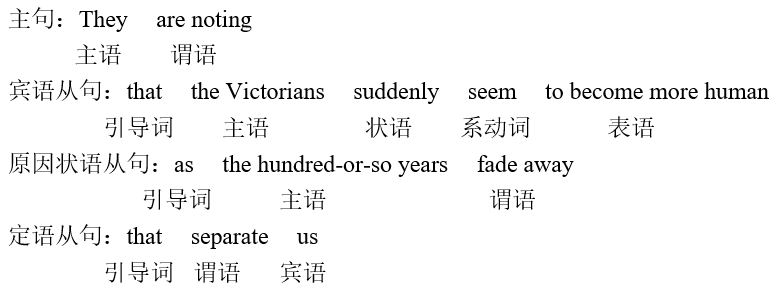
1. They are noting that the Victorians suddenly seem to become more human as the hundred-or-so years that separate us fade away through our common experience of laughter.
【结构分析】
【补充分析】
① that引导定语从句修饰the hundred-or-so years,表示将我们分隔开的一百年左右;
② through our common experience of laughter是方式状语,表示隔阂消失是通过笑这一共同经历。
【参考译文】人们注意到,维多利亚时代的人似乎突然变得更有人情味了,因为通过笑这一共同经历,我们和他们之间一百多年的隔阂得以逐渐消失。
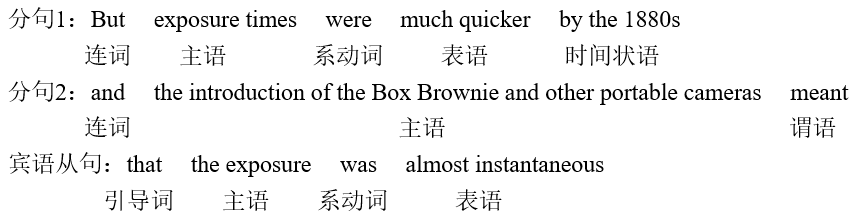
2. But exposure times were much quicker by the 1880s, and the introduction of the Box Brownie and other portable cameras meant that, though slow by today’s digital standards, the exposure was almost instantaneous.
【结构分析】
【补充分析】
① though slow by today’s digital standards是插入语,表示让步关系,尽管以今天的数码标准来看曝光速度很慢。
【参考译文】但到了19世纪80年代,曝光时间大大缩短,布朗尼盒式相机和其他便携式相机的问世意味着,尽管以今天的数码标准来看曝光速度很慢,但在当时几乎是瞬间完成的。
【全文翻译】
作为一名历史学家,我一直在寻找能让我们重新评估过去的文本或图像,我开始全神贯注地寻找我们维多利亚时代祖先微笑的照片(还有什么比这更能打破19世纪不苟言笑的形象呢?)。我找到了不少,而且自从我开始在推特上发布这些照片以来,它们已经引起了不小的轰动。人们惊讶地发现,有证据表明维多利亚时代的人曾经尽情玩乐,他们会笑,也确实在笑。人们注意到,维多利亚时代的人似乎突然变得更有人情味了,因为通过笑这一共同经历,我们和他们之间一百多年的隔阂得以逐渐消失。
当然,我必须承认,我收集的“微笑的维多利亚时代的人”在1840年至1900年拍摄的大量肖像照中只占很小的一部分,大多数照片上的人都是在彩绘背景前摆出别扭而僵硬的姿势,或者心不在焉地盯着不远处。我们该如何解释这一倾向呢?
在19世纪40年代和50年代,众所周知的是早期的摄影曝光时间很长:达盖尔银版摄影法(在镀银的铜板上显影)可能需要几分钟才能完成,当拍摄者改变姿势或调整四肢时,图像会变得模糊。在相机执行它的神奇任务时,要保持固定不变的笑容,这种想法让人难以想象,所以不露神色的茫然凝视成为了常态。
但到了19世纪80年代,曝光时间大大缩短,布朗尼盒式相机和其他便携式相机的问世意味着,尽管以今天的数码标准来看曝光速度很慢,但在当时几乎是瞬间完成的。到19世纪90年代,自然而然的微笑相对容易捕捉到,所以我们必须从别的方面寻找维多利亚时代的人们对微笑有所顾虑的原因。
一种解释可能是做作地露齿一笑会有失体面。维多利亚时期的一句流行谚语说:“大自然给了我们嘴唇来掩盖我们的牙齿。”暗指在真正的牙科诞生之前,口腔通常处于十分糟糕的卫生状态。一口健康、干净、整齐的“珍珠般洁白的牙齿”在维多利亚时代的社会是罕见的,这是超级富豪的专利(即使在那之后,口腔卫生也得不到保证)。
露齿而笑(特别是当牙齿有间隙或变黑的时候)表明社会地位低下:醉汉、流浪汉和音乐厅的演员才可能会咯咯笑,像刘易斯·卡罗尔笔下露出牙龈的柴郡猫那样灿烂地咧嘴笑,但对于有教养的人来说,这不是一种得体的形象。就连喜欢开怀大笑的马克·吐温也说过,说到拍摄肖像照,“没有什么比永远定格的愚蠢傻气的微笑更值得谴责的了”。